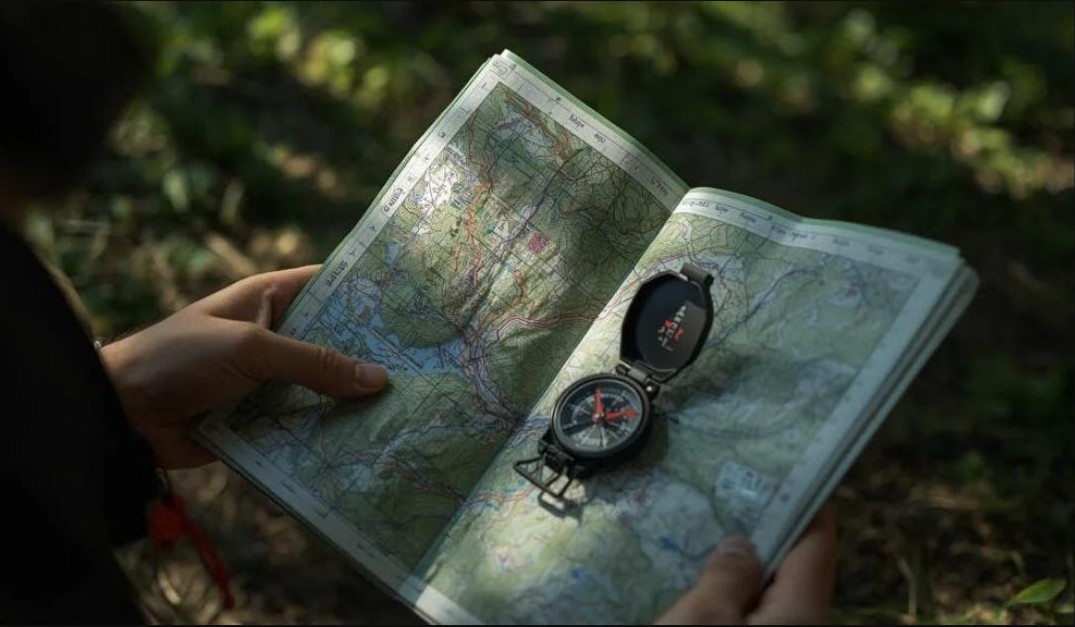
In early January I’m hosting a retreat for a small, intimate group of people at a beautiful little retreat center just SouthEast of Nashville. The purpose of this retreat is threefold.
- As the definition of retreat implies, we’re going to step out of normal life for a couple of days. To press pause on the 100’s of daily activities we all have on auto-pilot giving our hearts and minds a little time to rest and recover.
- We’re going to reflect on 2025. What it meant to us. Where we spent our time and energy. What did we try that worked well and what didn’t. What are we taking with us into 2026 and what are we letting go of?
- Finally, we’ll be putting some intention in 2026. How do we want to live this next year of our lives? What do our relationships look like? What does work need to be for us? How we do want to show up for family, friends, colleagues, and most importantly, for ourselves. We will laying out a design for 2026.
Since there are many of you who can’t join us for this retreat, I wanted to offer you some of the framework we’ll be using so if you want, you can design your own 2026.
This retreat is the culmination of a combination of a few things I’m very passionate about and have many years of experience in.
My career in human-centered design began in 2010 when I attended an executive education workshops at the famed d.school at Stanford. I fell in love with the mindsets and tools of design thinking and have been laboring in that field ever since.
The second part of this equation is a mindfulness practice I picked up about 15 years ago. I’ve written about this here before, but ultimately, my best friend Kevin was dying from cancer when I plopped down on the dog bed in our bedroom and started to practice watching my breath. Not so that I could become enlightened, but so that I might weather the intense emotions I was experiencing as I lost my best friend.
Then, about 7 years ago I started attending multi-day meditation retreats where I learned the true value of getting away from it all for a few days and letting this settle down in my mind and my heart.
So there we have the foundation for my love of design and mindfulness and retreating to nature for a few days of reflection and intention setting.
So what can you do on your own?
Here’s how you might begin:
- Review your calendar for 2025. Take a close look, week by week and month by month and really audit how you spent the last year of your life. What sticks out? Take special note of work travel, vacation time, busy periods and noticeably slow times. How do you feel about 2025 as you look at the data? What do you want more of in 2026? What do you want to try and avoid if you can? Write these things down with pen and paper. After you’re done writing, review everything you’ve written and see if there is anything missing from your reflection. Pro Tip: Invite a significant other or family member to help with this. Do they remember your year differently than you? My wife is super helpful in this area of reminding me what my emotional state might have been like during an especially busy time!
- Draft a set of intentions for next year. These are not resolutions necessarily. Some of your intentions might be about work, about your finances, about how you show up in relationships, about your health, about being of service to others, etc. Make giant list of all the things you’d like to be more intentional about. List as many as you want.
- Out of that big list, pick 3. That’s it. You get 3 things you can set an intention for. Then, for each of those 3 intentions, I want you to create an experiment you can run to see if your approach works or not. For instance, I want to write another book this year. One of the hardest parts about writing a book when you have a full-time job is finding the right time to sit and write. So my experiment will be to write for 1 hour a day, each morning, before I go workout.
- Mark your calendars! 30 days after you begin your experiment, I want you to revisit the 3 intentions you prioritized and see if your experiment is working or not. If it is, great! What can you do to move that intention to the next level? If it’s not working, what needs to change or iterate?
- Mark your calendar and review your experiments at 30-60-90 days. By this point you should have a clear idea of what approach is working and whether or not you’ve chosen the right intention for you in 2026…or maybe it’s time to pick a different one!
- Finally, expect to fail! I hope you fail. I hope you’ve chosen intentions big enough to teach you something when they don’t work the first time. My hope is that you stress test the shit out of these experiments and when (not if) you fail, you iterate and keep on trucking.
OK, that’s it! That’s my recipe for holding your own little solo-retreat and laying out the year ahead in a way that feels thoughtful and well designed and proactive…not reactive.
As always, if you have any questions about this approach, don’t hesitate to reply to this email and ask me. Maybe I have a good answer. Maybe I don’t. Either way, here’s to designing a year that fits who you actually want to be.
That’s it for now y’all. No newsletter next week cause it’s Christmas Eve and you don’t need to be looking at your phone when you could be hanging with family or building toys for your kids or baking or just reading a great book.
Happy Holidays My Friends!