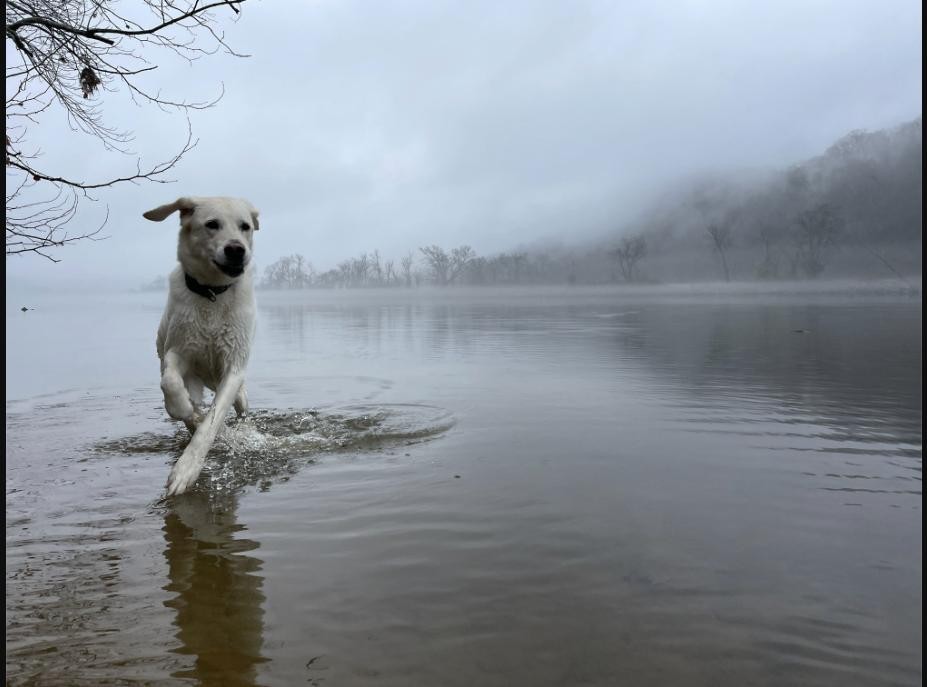
My wife and I were walking the dog this morning, and because I get quiet when I’m stressed, she asked how I was doing.
I said something like:
“This slow season of work has me stressed out and feeling like I can’t do anything right. After this is all over and work feels consistent again, I’m sure I’ll write a newsletter or record a video about the benefits of hard times as an entrepreneur—but right now, this sucks.”
We laughed. But even though I know this will pass and work will pick back up, I still feel crappy.
And honestly, I think I’m supposed to feel crappy. For me, that emotion is a feedback mechanism. It lets me know something’s off and gives me a chance to course correct.
Lately, instead of taking advantage of the downtime, I’ve been doubling down in front of my laptop—creating busy work that isn’t really necessary. Work that gets in the way of taking a few days off or finding an adventure to go on.
It’s counterintuitive, right? When things are slow, we often think we need to work twice as hard to get revenue back up. But I have a sneaking suspicion that my business—and my clients—would be better served if I was taking a long walk in the woods right now.
To be clear: I’m not in financial distress. But as an entrepreneur, seeing a worse P&L than last quarter doesn’t feel great. If the trend line isn’t always going up and to the right, we can freak out a little.
This is a disease. Or maybe a dis-ease. The belief that everything has to be constantly improving—or at least staying the same. We don’t have much tolerance for fluctuation, especially when it comes to revenue.
Is my financial security actually threatened? Or do I just feel like less of a person when I’m not booked solid? Do I think my business is suddenly less valuable? That I’m less valuable?
These are the places your mind can go during even a slight lull in work.
A mentor once told me: “Entrepreneurs can lose their mojo if they’re not in delivery mode.”
I’ve found that to be true. Even at my last company, if I wasn’t regularly interfacing with clients, I felt unmoored. Then I’d have one good conversation, and suddenly all my fears would quiet down.
It’s easy to blame capitalism for our need to be working, making money, or winning. But I think that’s a red herring. This is more about relying on work to define our worth.
Intellectually, I know the performance of my business doesn’t define my value in the world. But in moments of fear and uncertainty, it’s easy to forget that. And believe the opposite.
This is why I’m grateful for the choices my past self made:
- We have no debt, so our monthly burn rate is low.
- We’ve kept our lifestyle small and made a few real estate investments that provide modest recurring revenue.
- I have people—mentors, friends, coaches—I can lean on for perspective.
- And most importantly, I have a mindfulness practice. One that helps me recognize when my mind is lying to me. One that helps me soften when I’m tense, breathe deeply, and see more clearly.
The truth is, self-employment is never as free as it looks from the outside.
The two curses of entrepreneurship are not being busy enough and being too busy—and the grass always looks greener on the other side.
My advice? Build the systems and practices that keep you steady when work slows down. Take the long walks. Call your mentors. Remember that your value isn’t tied to your P&L.
Slow seasons suck—but they pass.
-Parker